
• Skip to primary navigation
  • Skip to main content
  • Skip to footer
spiritfilledhome.com

spiritfilledhome.com

Honest Christianity | Real Breathrough

Family

Loneliness in Marriage: When You Feel Alone Beside Your Spouse

March 26, 2026 by Jenny

Nobody prepares you for loneliness in marriage.

Most Christians grow up believing marriage will finally make them feel loved, full, complete, and whole. We assume this is where the ache ends. This is where connection becomes easy. This is where we will finally feel understood.

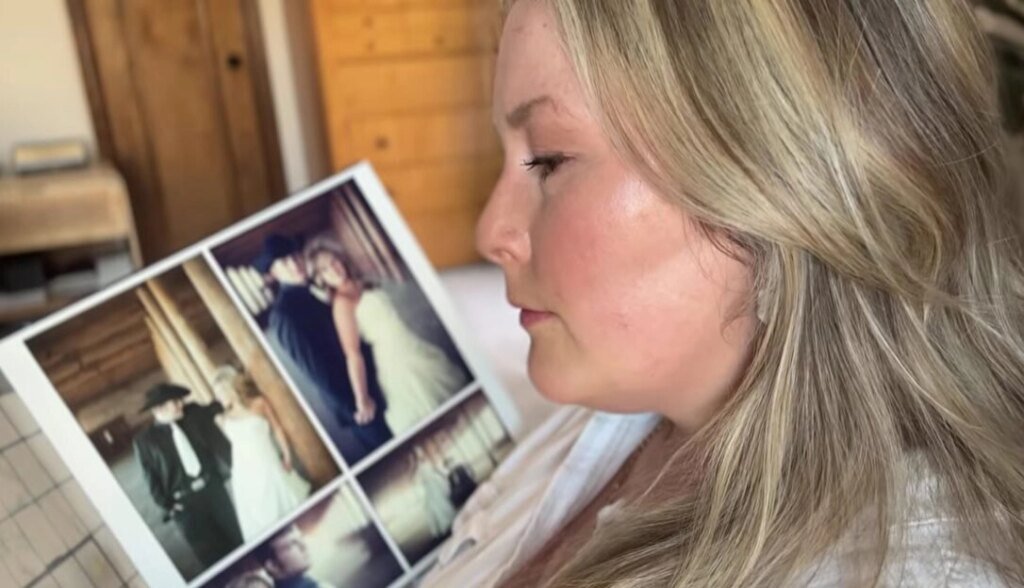
And then one day, you are lying next to the person who promised to love you — and you feel completely alone.

No one prepares you for deep misunderstandings.
No one prepares you for explaining yourself over and over — and still not being heard.
No one prepares you for the moment when your words land backwards and the person you are trying to reach feels offended instead of connected.

That kind of loneliness in marriage is disorienting.

When You Feel Deeply Alone in Marriage

You may find yourself asking questions you never thought you would ask.

Am I stuck like this forever?
Is it always going to feel this way?
Did I marry the wrong person?
Did I miss God?
Does He want me to live in perpetual pain?

Those thoughts do not usually come from rebellion. They come from exhaustion.

Sometimes you are not trying to win an argument. You are simply trying to feel understood. And when that understanding does not come, something inside you starts to shut down.

Some women withdraw emotionally.
Others stop explaining.
Some begin functioning beside their spouse instead of with him.

The marriage still exists. The covenant still stands. But emotional connection feels thin.

That is what loneliness in marriage can look like.

Why Loneliness in Marriage Feels So Heavy

Loneliness outside of marriage hurts. Loneliness inside marriage cuts deeper.

Marriage carries expectation. You expect this relationship to be safe. You expect this to be the place where you are known. So when misunderstanding shows up, it feels like betrayal — even when it is not.

Often what is happening is not rejection. It is difference.

Different communication styles.
Different emotional wiring.
Different ways of processing conflict.

Two people can love each other deeply and still struggle to translate what they are trying to say.

That reality does not erase the pain. However, it reframes it.

Loneliness in marriage does not automatically mean you chose the wrong person. Sometimes it means you are discovering the places where growth still needs to happen.

The Temptation to Shut Down

When loneliness lingers, the temptation is to protect yourself.

You may decide it is safer not to need so much.
You may tell yourself to lower expectations.
You may quietly build walls so disappointment does not hit as hard next time.

Over time, distance grows.

Not because love disappeared.
But because hurt never found resolution.

Scripture says, “Be completely humble and gentle; be patient, bearing with one another in love” (Ephesians 4:2).

Patience in marriage does not mean pretending everything is fine. It means choosing not to let hurt become hardness.

Marriage Was Never Meant to Replace God

One of the hardest realizations in loneliness in marriage is this:

Your spouse was never meant to complete you.

We often expect marriage to fill spaces only God can fill. That expectation quietly creates pressure. No human can carry the weight of being someone else’s source of wholeness.

When you feel alone in marriage, it may expose where you have looked to your spouse to meet needs that only God can truly satisfy.

That does not minimize your desire to be understood. It simply places your identity back in the right place.

Psalm 34:18 reminds us, “The Lord is close to the brokenhearted.”

That includes the brokenhearted inside marriage.

If You Are Feeling Alone in Marriage

If this is you right now, pause before making permanent conclusions about a temporary season.

Name what you are actually feeling. Is it rejection? Is it exhaustion? Is it fear?

Separate misunderstanding from intent. Not every miscommunication is malicious.

Choose timing carefully. Hard conversations rarely heal when both people feel defensive.

Most importantly, bring God into the space before you bring your spouse into it. Let Him steady your emotions so your words do not come from panic.

Loneliness in marriage does not automatically mean your marriage is broken beyond repair. Sometimes it means both of you are still learning how to love each other well.

That learning can feel painful.

However, pain does not always signal the end. Sometimes it signals an invitation — to deeper communication, deeper humility, deeper dependence on God.

You Are Not Alone in This

If you are lying next to someone you love and still feeling alone, you are not strange. You are not weak. You are not failing at marriage.

Many couples walk through seasons like this. They simply do not talk about them openly.

Loneliness in marriage is real. Yet it does not have to define your story.

God does not waste hard seasons. He can use even misunderstanding to shape patience, maturity, and deeper intimacy — if both hearts remain soft.

You do not have to leap to drastic decisions tonight.

Stay. Pray. Breathe.
Let God meet you in the middle of it.

He is present in the loneliness. And He is not finished with your story.

Filed Under: Faith, Family

Dreaming With God Can Change Everything
March 17, 2026 by Jenny

Dreaming with God can change everything about the direction of your life. Five years ago, I never imagined that dreaming with God would take me from overwhelmed working mom to building a slower, more present life on land we had prayed for. Yet that is exactly what happened.

I want to tell you how it unfolded — because if God did it for us, He can lead you too.

“Now to Him who is able to do exceedingly abundantly above all that we ask or think…” – Ephesians 3:20 (NKJV)


What If You’re Allowed to Dream With God?

About five years ago, one question kept rising in my heart:

What if I’m allowed to dream?

Not in a reckless way. Not in a fantasy way. But what if I could actually sit with God and imagine the life He designed for our family?

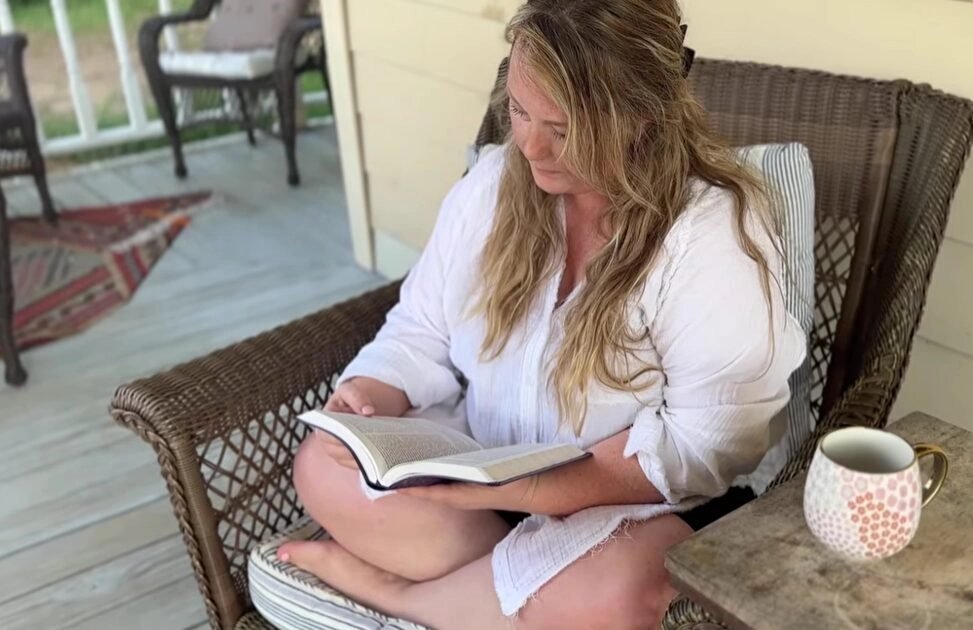
At the time, my husband and I had just purchased what felt like a miracle property. I had written specific prayers inside my Bible: 25–35 acres, trees, water, under $250,000. It was a bold list. Still, after years of praying, every detail fell into place. We closed at the beginning of 2020.

However, even while standing on that land, grateful and stunned, my life felt stretched thin.


Dreaming With God in the Middle of Real Life

I was pregnant with our fourth son. I worked full time. I brought in a significant portion of our income. And honestly, I loved my job.

I loved being creative. I loved being with women. I loved building something meaningful.

Yet if you are a working mom, you understand the weight. You still manage the laundry. You coordinate childcare. You order the clothes. You carry the emotional load of the house — and the pressure of your career.

Then the world slowed down in early 2020.

Suddenly, I saw what a slower life could feel like. And I liked it.

As I began dreaming with God, I started imagining something different:

What if my husband and I stayed home together?
What if we raised our kids side by side?
What if we homeschooled together, tended animals, grew a garden, and did ministry from our own land?

The dream felt beautiful.

It also felt impossible.


Obeying When Dreaming With God Made No Financial Sense

There was no logical way for me to stop working. We had a mortgage. We had land. We had future building plans.

Still, I sensed God inviting me to step away from my job.

It did not feel bold. It felt terrifying.

I did not respond with, “This will all work out.”
Instead, I told God, “How are we going to make money? I am not good at being poor.”

Yet I obeyed.

And God handled my fear.

He did not shame my emotions. Instead, He met me in them.

“Trust in the Lord with all your heart… and He shall direct your paths.” – Proverbs 3:5–6 (NKJV)

Dreaming with God required obedience before I saw provision.


A Surprise Provision We Never Planned

As I stepped away from work, I sketched simple rectangle floor plans. I wanted small. Manageable. Affordable.

Then my husband noticed the property next door was for sale.

It had:

  • A main house
  • A small salon inside the garage (I’m a hairdresser — what are the chances?)
  • Three rental houses generating income
  • 17 additional acres

At first, I dismissed it.

However, a client of mine — a former loan officer turned real estate agent — started asking questions. Did we have equity? Could the rental income support financing?

Because of equity in our current home and income from the rentals, we qualified.

We moved to the country sooner than we ever planned. Not only that, once everything settled, the rental income actually exceeded what we had been paying before.

God accelerated the dream.


Dreaming With God Requires Flexibility

We renovated rentals. Plans changed constantly.

One small house was going to become an Airbnb. Instead, a close friend moved in. Later, my grandparents decided to join us on the land. We shifted again.

Each adjustment felt inconvenient at first. Yet every change brought unexpected blessing.

Still, money ran tight.

We pulled equity from another property to finish the last rental. Even then, expenses exceeded income month after month. Farm equipment, repairs, remodeling — the costs added up.

Fear surfaced again.

But this was not our first time walking on financial water.

So I kept reminding myself:
God always comes through.

“For we walk by faith, not by sight.” – 2 Corinthians 5:7 (NKJV)

Dreaming with God does not eliminate fear. It teaches you how to walk through it.


Walking by Faith Is Not Comfortable

Let’s be honest.

When you step out in faith:

  • It does not feel safe.
  • It does not feel stable.
  • It does not feel impressive.

There were tears. There was complaining. There were long nights doing math in my head.

Yet we kept going.

And when I look back now, I see something clearly: the house I once sketched as a distant dream stood waiting next door the entire time.

We did not build it.

God provided it.

With acreage.

With income potential.

With space for family.


Rest Over Hustle: What Dreaming With God Taught Me

The world says hustle. Push harder. Grind more. Stay obsessed with income.

Yet dreaming with God taught me something different.

Rest requires trust.

When your nervous system relaxes, your body declares, “I believe I am cared for.”

I wish I had rested more during the journey. I wish I had worried less.

However, even in my imperfect faith, God remained steady.

“Unless the Lord builds the house, they labor in vain who build it.” – Psalm 127:1 (NKJV)

Dreaming with God is not about chasing fantasy.
It is about partnering with Him.


What Dreaming With God Could Look Like for You

Maybe your dream is:

  • Working from home
  • Starting a small business
  • Changing careers
  • Creating margin for your children
  • Building something that reflects your values

If God releases you into it, move.

The release might not feel peaceful. Sometimes it feels scary. Still, keep your eyes on Him when the waves rise.

He will redirect you if needed.
He will provide.
He will not abandon you.


Dream With God About Your Life

Today, our life looks nothing like it did five years ago. It also looks nothing like I thought it would.

It looks better.

Not easier. Not without risk. But better.

Dreaming with God reshaped our direction, our finances, our family rhythms, and my own understanding of trust.

So here is my encouragement:

Get a pen. Sit with the Lord.
Ask Him what your life could look like.

What would you build if fear were not leading?

Dream with God.

He may take you somewhere you never could have imagined on your own.

Filed Under: Buisness, Faith, Family

Raising Aware Kids: Body Safety Conversations Without Fear

February 10, 2026 by Jenny

How I Teach My Children About Porn, Body Safety, and Boundaries

Body safety conversations are one of the most important ways I prepare my children for the world they are growing up in. There is a big difference between protecting children from the world and preparing them to live in it, and I believe preparation builds confidence.

For years, many parents were told the safest route was silence. Avoid the topic. Shield their eyes. Hope innocence lasts. However, silence does not create safety. Instead, awareness does.

As a mom, my goal is not to raise fearful kids who feel the world is dark and dangerous. Rather, I want to raise confident, informed, and grounded children who understand what is appropriate, what is not, and what to do if something happens.

This approach is not about exposing children to adult topics too early. Instead, it is about giving age appropriate truth so they are not confused, ashamed, or powerless when questions or situations arise. Over time, these body safety conversations become a normal part of family life.


Why Body Safety Conversations Matter for Kids

Today’s children are growing up in a world where exposure often happens accidentally and early. Devices, other kids, advertisements, and media make it nearly impossible to guarantee they will never see something inappropriate.

Because of that reality, I choose to focus on equipping my kids instead of living in constant anxiety.

Specifically, I equip them with:

• Language
• Boundaries
• Confidence
• A plan

When children understand what is happening and what to do, fear decreases. As a result, they are not left alone in confusion. They know they can come tell. They understand their body belongs to them. Most importantly, they know they are not in trouble for asking questions.

That kind of clarity is powerful.


How I Have Ongoing Body Safety Conversations Without Fear

Rather than sitting my kids down for one overwhelming talk, I weave body safety conversations into normal life. Instead of pressure, we have gentle, ongoing discussions.

Books help tremendously because they provide structure, vocabulary, and visuals in a calm and non awkward way. Additionally, repeated small conversations build familiarity. Over time, what once felt difficult becomes normal.

Because of that consistency, the topic does not carry shock or secrecy.


Why Being First in Body Safety Conversations Matters

One of the biggest mindset shifts for me as a parent was realizing I have two options.

I can protect from a place of fear.
Or I can equip from a place of wisdom.

Fear says, “If I never talk about it, maybe they will not be exposed.”

Wisdom, however, says, “They will encounter it someday, so I want them ready.”

Understanding how a child’s brain develops reinforced this for me.


The Brain Is Building Lenses Through Body Safety Conversations

In The Whole-Brain Child, the authors explain how children form neural pathways. Essentially, these pathways are mental roads. The more something is discussed, understood, and processed, the stronger those roads become.

Eventually, those pathways form the lens through which kids interpret the world.

When children encounter something new, they do not start from zero. Instead, they filter it through what is already built inside them.

So the real question becomes:

Who do we want building those pathways first?

If parents remain silent, the world will step in.

Peers, media, the internet, and culture will shape what children believe about bodies, sexuality, gender, and boundaries.

However, when we lead the body safety conversations, we shape the lens first.


Silence Does Not Preserve Innocence

Although it may feel safer to avoid hard topics, silence does not actually protect innocence. In many cases, it creates confusion.

For example, when a child sees or experiences something without prior understanding, they do not have a category for it. Confusion may lead to shame, curiosity, fear, or secrecy.

On the other hand, when a child already has a framework, their brain responds differently:

“I know what this is.”
“This is not for me.”
“I should look away.”
“I need to tell.”

That shift creates empowerment.


Body Safety Conversations Introduce Clarity, Not Darkness

Talking about gender, bodies, sexuality, and boundaries in age appropriate ways does not remove innocence. Instead, it provides language before confusion arrives.

We are not awakening something sinful. Rather, we are installing truth.

We are saying:

This is how God designed your body.
These parts are private.
Some pictures and behaviors are not for kids.
You can say no.
You can come tell.
You are not in trouble.

Over time, that truth becomes their internal filter.


Fear Based Protection vs Empowered Preparation

Fear based protection tries to control the environment.

Empowered preparation strengthens the child.

Although we cannot control every environment our children will enter, we can shape the beliefs and neural pathways they carry with them.

When parents lead body safety conversations from a calm and faith grounded place, we help establish:

• A biblical understanding of bodies
• A clear definition of appropriate and inappropriate
• Confidence to speak up
• Trust that parents are safe to talk to

As those conversations continue, the pathways grow stronger.


You Are Building a Foundation Through Body Safety Conversations

You do not have to explain everything at once. Instead, simply begin.

Each book you read builds awareness.
Every gentle conversation reinforces clarity.
Each calm answer strengthens trust.

Through consistent body safety conversations, you are laying mental and spiritual foundations your child will stand on later.

Eventually, when the world presents something confusing or inappropriate, your child will not face it for the first time.

They will see it through a lens you helped build.

Raising aware kids does not require fear.

It requires intention.

Some links may be affiliate links which help support our family at no extra cost to you.

Bestseller #1
God Made All of Me: A Book to Help Children Protect Their Bodies ...

God Made All of Me: A Book to Help Children Protect Their Bodies …

$7.31
Buy on Amazon
Bestseller #2
Good Pictures Bad Pictures Jr.: A Simple Plan to Protect Young Mi...

Good Pictures Bad Pictures Jr.: A Simple Plan to Protect Young Mi…

$21.95
Buy on Amazon
Bestseller #3
I Said No: A Kid-to-Kid Guide to Keeping Private Parts Private

I Said No: A Kid-to-Kid Guide to Keeping Private Parts Private

$19.56
Buy on Amazon
Bestseller #4
How You Are Changing: For Boys 9-11 - Learning about Sex (Learnin...

How You Are Changing: For Boys 9-11 – Learning about Sex (Learnin…

$15.43
Buy on Amazon
Bestseller #5

  • 9781641581332 9781641581455 9781631469527 9781631469480 9781631469442 God’s Design for Sex
$59.97
Buy on Amazon
Bestseller #6
Me and My Feelings: A Kids' Guide to Understanding and Expressing...

Me and My Feelings: A Kids’ Guide to Understanding and Expressing…

$5.52
Buy on Amazon
Bestseller #7
The Whole-Brain Child: 12 Revolutionary Strategies to Nurture You...

The Whole-Brain Child: 12 Revolutionary Strategies to Nurture You…

$10.39
Buy on Amazon

Filed Under: Family

Footer

Design

With an emphasis on typography, white space, and mobile-optimized design, your website will look absolutely breathtaking.

Learn more about design.

Content

Our team will teach you the art of writing audience-focused content that will help you achieve the success you truly deserve.

Learn more about content.

Strategy

We help creative entrepreneurs build their digital business by focusing on three key elements of a successful online platform.

Learn more about strategy.

© 2026 Spirit Filled Home. All rights reserved.

  • Home
  • Blogs
  • Work With Jenny
  • About
  • Contact
  • Privacy Policy
  • Terms of Use
  • Youtube
  • Instagram
  • Facebook