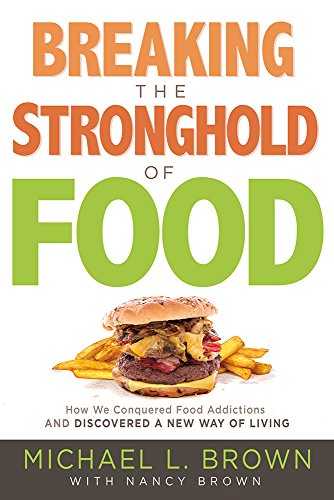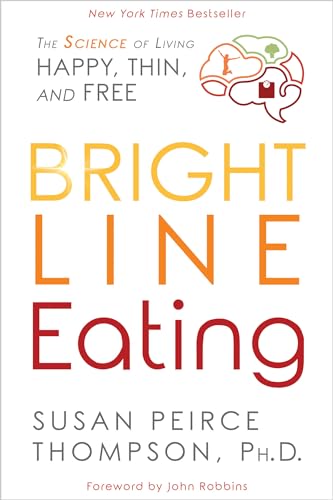

What if your struggles with weight loss weren’t actually purely physiological?
What if they were spiritual in nature and you’ve been focusing on all the symptoms instead of the root problem, and that’s why things are so hard and you feel so unsuccessful?
Well, that was exactly me.
When I was finally able to deal with the underlying problems, the spiritual root of overeating, the symptoms began to resolve themselves a lot easier.
Today, I want to tell you the story of how I broke the stronghold of food addiction in my life.
Where the Spiritual Root of Overeating Began
We need to back up a little bit, all the way to when I was eight years old.
As a kid, I felt really lonely. Not because I was alone, but because no one in my house really cared about my inner world. I felt very disconnected and very misunderstood. It felt like there was no one I could really talk to.
I needed comfort. However, I didn’t even know how to ask for it or who would really care.
When you feel that way as a child, you find ways to cope.
For me, food became my comfort. It became something I could go to anytime I needed a friend, something that made me feel full when I felt empty inside.
As a result, I put on weight. By eight or nine years old, I was really chunky. I started being bullied at school. Kids would poke fun at me and say mean things.
Still, I knew I had a safe place.
The House That Felt Like Love
About two blocks away was this wonderful, amazing house, my grandparents’ house.
It was filled with love.
Whenever I got there, I was greeted with hugs and kisses. I was deeply cared for. One of the things that was so different about their home was that they were in love.
They cuddled. They kissed. They held hands.
I could tell they deeply cared for each other, and that felt very different from the primary house I grew up in.
My grandmother loved to cook, and she taught me the love of cooking. I love cooking. She loved cooking pies, cookies, cakes, all the yummy things.
Without realizing it, I connected food with love.
What I Prayed for Every Night
When I was in third through fifth grade, I prayed for two things every night:
- That I would get skinny.
- That I would get a boyfriend who loved me.
I believed being skinny was the key to getting love, the kind of love my grandparents had.
So when I was about 12 years old, I started working out all the time. I would do about a thousand crunches a day. I barely ate. I chewed my food obsessively.
Eventually, I got really thin.
Fast forward to high school. I was thin for the first time. I got my first boyfriend. Life felt like it was going really great.
However, once I was happy, I put on the pounds.
That became the trend.
I would go through breakups and get really thin. Then, whenever I was in a relationship, I would gain weight again. I’ve yo-yo dieted and been up and down for years.
Looking back, I can see that food addiction was part of my life, but I still hadn’t addressed the spiritual root of overeating.
2024: Grief, Trauma, and Hitting My Highest Weight
Fast forward to 2024.
I had my fifth son at 36 years old. It was a lot harder getting the weight off at 36. After giving birth, I was at my all-time high, 220 pounds.
I had him in February, and then in March, my grandfather passed away.
It was the first time I experienced really deep grief.
In July, we celebrated his birthday without him for the first time. On the drive home, with all five of my kids in the car, a drunk driver hit us.
Three times.
They sideswiped us. Then they overcorrected and hit us again. Then they overcorrected again, spun in a circle, and T-boned us into my new infant’s door.
That put us on a crazy journey of survival.
At the time, my life was already packed. I help run a school and a church. I homeschool hybrid five boys. That’s a lot on one person’s plate.
Now, suddenly, I was thrown into doing PT for my children and myself. I had a concussion. None of us were seriously injured, praise the Lord, but I developed insomnia and panic attacks, which were brand new for me.
Physically, my body hurt constantly.
At the same time, my infant, who had been such a good baby, was now screaming and needing to be held all the time. Yet it hurt to hold him.
I felt overwhelmed. I felt helpless.
So I reached for food for comfort.
And I kept going to food just to survive.
I was exhausted. My body hurt. I was overwhelmed.
I kept packing on the weight until I hit my all-time high.
Something had to change.
That’s when I realized I wasn’t just battling habits, I was battling the spiritual root of overeating.
Learning to Grieve Instead of Numbing
I want to share some of the things that were real eye-openers for me, the things that helped me move toward a healthy place where it feels attainable and good instead of undoable.
First, I had to learn how to grieve.
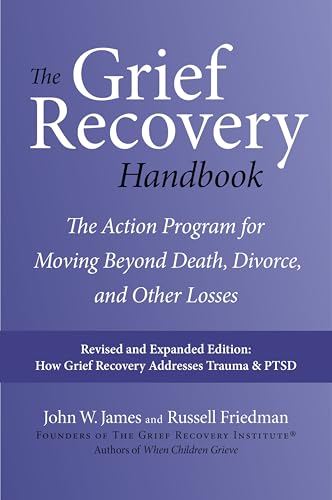
I read a book on grief. I processed through it. I learned how to grieve. That was part of dealing with the underlying things that were driving me to food.
It wasn’t just overwhelm.
It was grief.
Fasting and Repentance
Then I went back to the basics.
Number one: fasting.
In Bible college, my husband and I used to fast every Friday from Thursday night to Friday night. So I returned to that rhythm.
However, before I even started fasting, I did something crucial.
Repentance.
For the first time, I really owned it.
It’s my fault that I’m the size I am.
It’s my fault what I put in my mouth.
It’s my fault.
I couldn’t blame life. I couldn’t blame stress. There’s no such thing as saying, “Well, God, I only did it because…” That’s not real repentance.
When it came to my sin of overeating, gluttony, and turning to food for comfort instead of turning to the Lord, I was making excuses instead of owning it.
And that right there will break so many things off your life if you take responsibility and ask for help.
My prayer sounded like this:
“God, I don’t have self-control. I need help. I want bad food. I go to food for comfort, and I don’t want to want that anymore. I need You to change me. I need freedom.”
I repented. I wept. I took ownership.
That repentance was key to breaking the spiritual root of overeating.
What Repentance Really Means (The Greek Root)
One of the things I learned is that repentance isn’t just remorse.
Repentance comes from the Greek word metanoia.
“Meta” means transformation or change.
“Noya” refers to your mind, how you think.
So repentance literally means to change your mind.
It’s not just feeling bad about what you did. It’s transforming the way you think.
And when you change the way you think, it changes the way you act.
Instead of trying to change my actions first, I focused on changing how I thought about food, comfort, and control.
Because your actions flow from what you’re believing and thinking.
When there is repentance, there is freedom.
Education, Sugar, and Practical Changes
Alongside prayer, fasting, and repentance, I also educated myself.
I honestly didn’t know much about nutrition. I read books about nutritional density. One major thing I learned was how addictive sugar is.
A girl I used to work with told me sugar was more addictive than cocaine. I’ve never done cocaine, but I’ve definitely done some sugar.
Once I got off sugar, I didn’t crave even regular food the same way.
That had been driving a lot of my urges.
Walking in Freedom and Finding Balance
Right now, I’m down a little more than 20 pounds.
However, I’m not focused on weight loss as much as I am on being healthy. I focus on fruits, vegetables, and lean meats. I go on long walks with my children.
The more I focus on what to eat instead of what not to eat, the more it helps.
At the same time, I don’t want to make fitness an idol. I’ve had seasons of obsession before, and I don’t want that either.
I just want balance.
Ultimately, the key aspect of walking in freedom was dealing with what was going on in my heart, the grief and the spiritual issues.
When I finally addressed the spiritual root of overeating, freedom became attainable.
May you be blessed inside and out.